Port St. Joe Scallop Season Closure 2026: What Stayed Open
John Milton August 27, 2026
John Milton August 27, 2026
If you circled August 16 on your calendar this year, you already know the punch line. As Gulf County News reported, the 2026 recreational bay scallop season for St. Joseph Bay and Gulf County was supposed to run from that Sunday through September 24. Three days before the opener, the Florida Fish and Wildlife Conservation Commission shut it down before a single boat launched.
That is the headline everyone in town has already heard. What's less understood, even among people who have lived on this bay for years, is what the closure actually covers and what it doesn't. The distinction matters more than the news itself, because it changes almost nothing about how you'll spend the next month on the water, and almost everything about how you'll spend it if you were counting on a bucket of scallops.
The closure wasn't about red tide or a toxin scare, which is worth saying plainly because that's the assumption a lot of people jump to. A water sample pulled from St. Joseph Bay on August 5, taken 0.7 miles east of Pig Island and from mid-bay, did turn up the organism Pyrodinium bahamense, but at levels below bloom concentration. FWC's press release was explicit that no harmful algal bloom or toxin was behind the decision.
The real trigger was a summer 2026 survey by FWC's Fish and Wildlife Research Institute, which found what the agency called very low bay scallop abundance in the bay. The commission called it a precautionary closure, intended to let the scallops that are still out there reproduce enough to rebuild the population for future seasons, and said it would keep monitoring the bay and work with the community on restoration.
That's a different animal than a closure driven by contamination. Contamination closures are about human safety. This one is about the scallop population itself, which means the calculus for what else is safe to do in the bay didn't change at all.
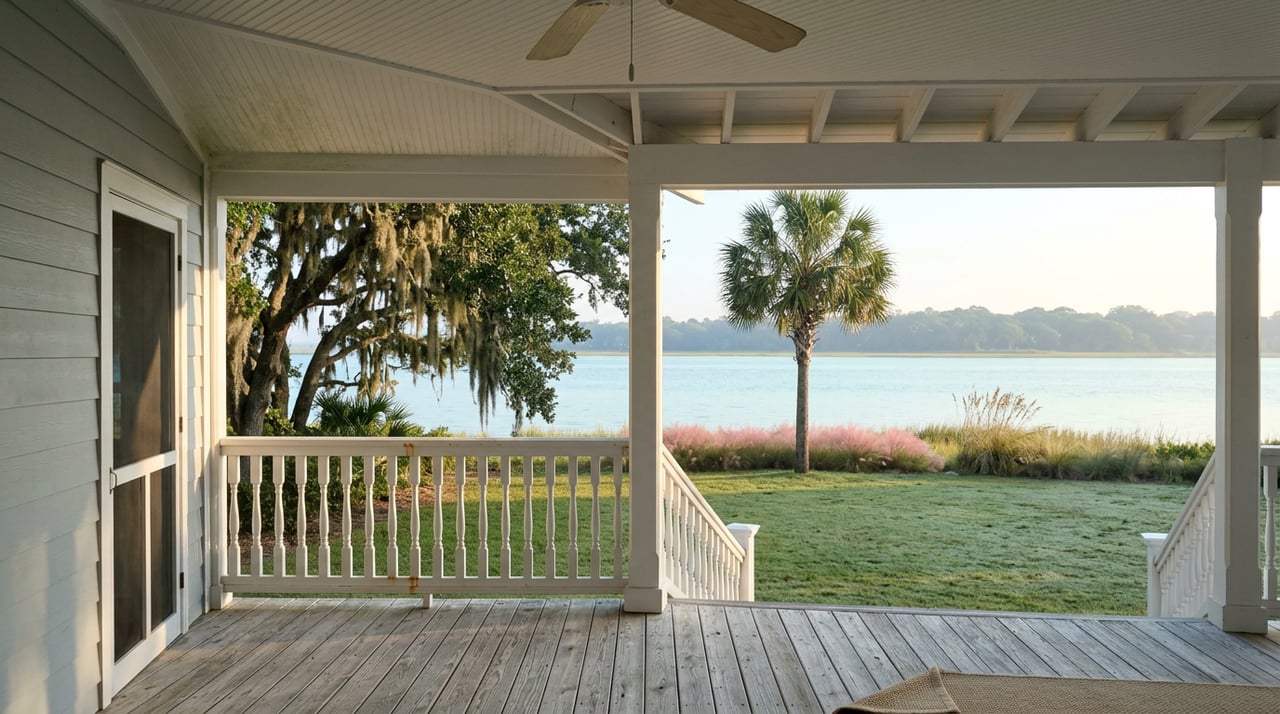
Here's the part that gets lost in the headlines: the closure applies to the entire Gulf County Zone, meaning all state waters from the Mexico Beach Canal to the westernmost point of St. Vincent Island, and it applies specifically to scallop harvest. Fishing, boating, and swimming in St. Joseph Bay remain open. The seagrass beds that make this bay one of the more accessible scalloping grounds on the Gulf Coast, when the resource is there, are the same seagrass beds that support the redfish, speckled trout, and flounder that inshore anglers have been working all summer regardless of the calendar.
So if your late-summer routine involved loading a cooler and a mask into the boat at Frank Pate Park, the boat ramp itself hasn't changed. What's changed is what you're allowed to bring home in it.
What tells you the most about how this community actually operates is what happened the day after the closure was announced. Ray Bodrey, who directs the UF/IFAS Extension office for Gulf County, didn't scrap the scallop season kickoff his office had already planned for that Friday morning. He ran it anyway, just retooled.
The morning ran in blocks: Weather and Navigation for Boat Operators from 8:45 to 10:30, an update on St. Joseph Bay seagrass from 10:40 to 11, a session on Scallop Fisheries from 11 to 11:20, Boating and Scallop Harvesting Regulations from 11:20 to 11:40, and a look at the Scallop Sorter program to close out the morning. Florida Sea Grant and UF/IFAS have been pushing that Scallop Sorter tool this year, a simple device with a 2-inch opening that lets a harvester check a scallop underwater and release anything too small to keep, giving it a chance to spawn before fall.
There's no scalloping to sort for right now. But the event happened, the seagrass briefing happened, and the boating and navigation instruction happened, because none of that depended on the harvest being open. That's a useful data point about this town: the infrastructure around the bay isn't built solely on the scallop harvest window. It's built around the bay itself, and the harvest is one use of it among several.
For a resident, the practical question isn't regulatory, it's logistical: what does a Saturday on St. Joseph Bay look like for the rest of this closure?
Fishing hasn't slowed down. The same shallow grass flats and clear water that made this one of Florida's most accessible scalloping bays are still producing redfish, speckled trout, and flounder for anyone working a line instead of a dip net. Boat traffic out of the usual launch points hasn't disappeared either, since swimming, boating, and general recreation are all still permitted across the closed zone.
On land, the seafood hasn't gone anywhere. Restaurants along Reid Avenue and the bayfront that built a following on Gulf catch, the kind of places that would normally cook up whatever a scalloper hauled in that afternoon, are still working with shrimp, oysters, and Gulf fish that never depended on the scallop season to begin with. If you're used to bringing your own catch in for a restaurant to prepare, that particular ritual is on pause this year, but the raw bars and seafood counters around town aren't running short of anything else.
Zoom out and this isn't the first time St. Joseph Bay has drawn a line between "open water" and "open harvest." The bay already has a designated Bay Scallop Restoration Area south of Black's Island where scalloping, possession of scallops, and even anchoring are prohibited year-round to protect the seagrass doing the reproductive work. FWC marks those zones with buoys, and they exist independent of whatever the season dates say in a given year.
That's the real story here, and it's one that only becomes visible once you separate the harvest news from the bay itself. St. Joseph Bay's value to the people who live around it was never solely the six-week harvest window. It's the seagrass, the water clarity, the fishing, and the fact that the Florida Sea Grant and FWC science built into this bay is designed to keep all of that intact even in a year when one piece of it, the scallops, needs a break.
If you live here, that's the thing to actually take from this season. The closure is a real disappointment if you were planning your August around a mask and a mesh bag. But it's not a closure of the bay you moved here for. FWC has said it will keep monitoring the population and work with the community on restoration, which means next year's outcome depends on what the bay does with this season off, not on anything residents need to change about how they use the water in the meantime.
We spend a lot of time on this bay too, and we'll keep watching how the restoration effort develops heading into next season. If you're curious about property near St. Joseph Bay, whether that's a home with direct water access or a lot further inland with a short drive to the ramp, the team at Indian Springs Real Estate knows this stretch of coast well enough to talk through what different parts of the bay actually offer beyond the scallop season. Contact us anytime you want a local read on the area.
This article is general information, not legal, tax or financial advice. Consult a qualified professional about your situation.
Stay up to date on the latest real estate trends.
For sellers, you can receive complimentary home evaluations, market reports, and much more! For Buyers, you can access the entire MLS database of active homes, with the strongest property search on the market! When you're ready to discuss - whether a simple question or a serious inquiry - don't hesitate to request more information or call.